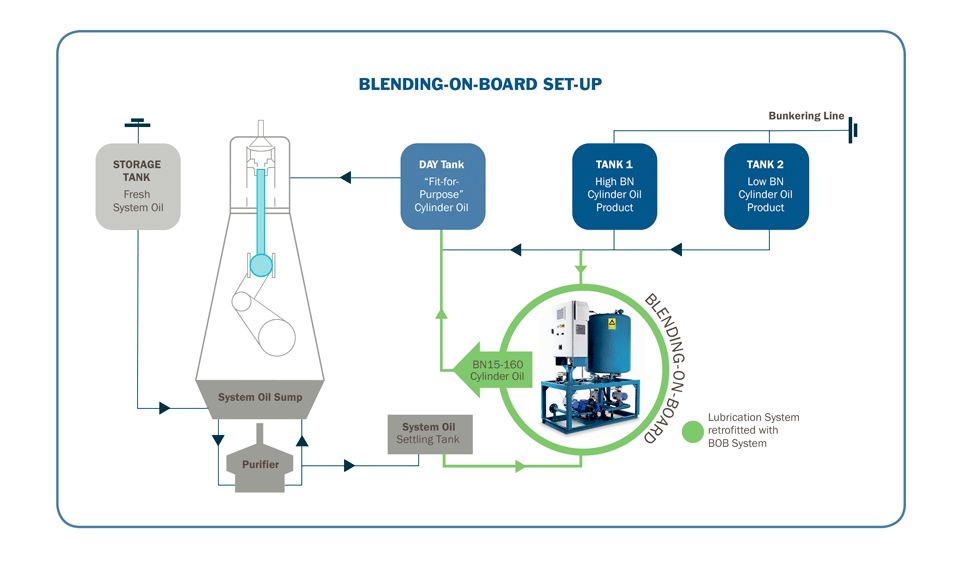

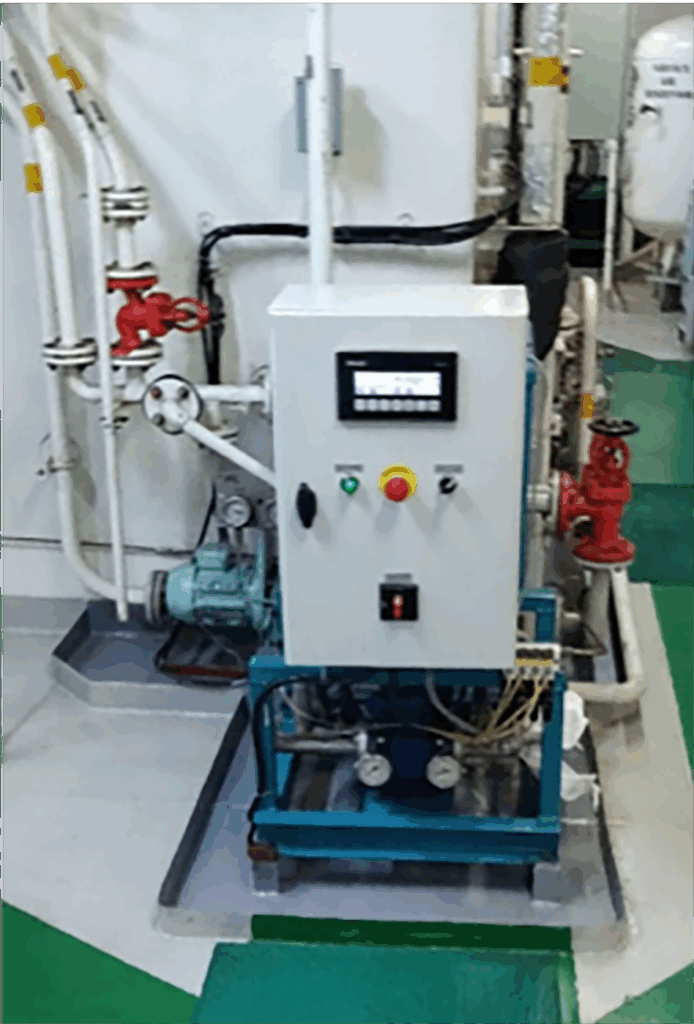
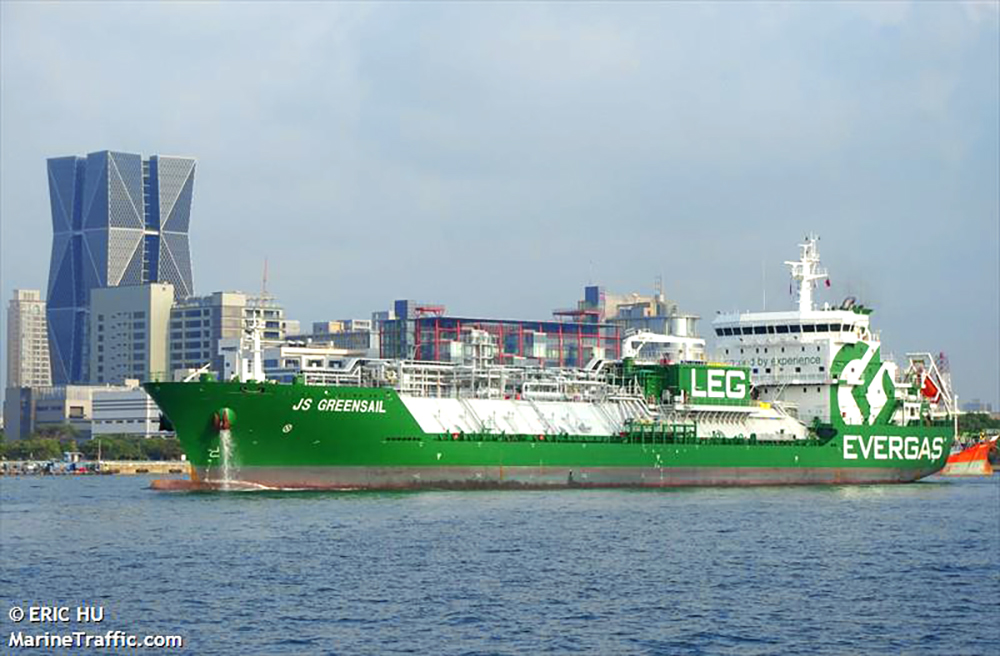
Installation of the Blending-On-Board system was completed in 4th
quarter 2017, while the vessel was sailing. Since then, the crew have
used Blending-on-Board (BOB) to produce a fit-for-purpose cylinder oil
on-board. The operator is now able to blend the lubricant characteristics
needed for a suitable, optimized and safe engine operation, whilst
lubricating the cylinders with a minimum and optimized cylinder
lubrication feed-rate. While JS Greensail is one of the smaller vessels
with Blending-on-Board installed, great benefits have been achieved
with the implementation.
Year of building: 2014
Vessel type: LPG Tanker
Main engine: MAN B&W 5S46ME-B
Main engine power: 5800 kW
BOB retrofit completion: Q4 2017
Cylinder lubrication system: Alpha Lubricators
Cylinder lubrication feed-rate (Q4 2017): 1,02 g/kWh
Cylinder lubrication minimum feed-rate: 0,6 g/kWh
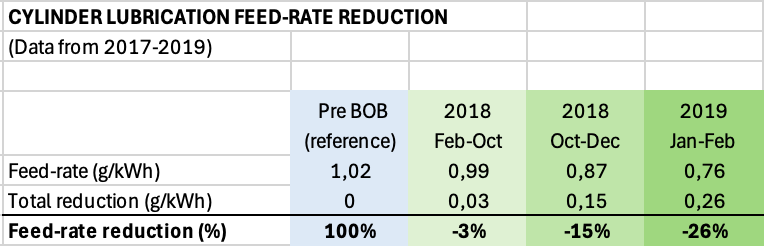
After the blender installation, JS Greensail have managed to reduce
the feed-rate from 1,02 g/kWh to 0,76 g/kWh. A total cylinder oil
consumption reduction of 26 %, while keeping a steady low feed rate.
“We have been able to optimize the lubrication, reduce the feed-rate
and stabilize the cold corrosion formation. And at the same, reduce
our oil consumption”
Says Dinesh Sharma, Senior Vessel Manager at
Evergas.

With BOB installed, there will not be a need to adjust the
feed-rate corresponding to various operating conditions.
Instead, the BN value of the cylinder oil is adjusted, while
keeping the feed rate constant. The blended cylinder oil will
have the optimal neutralization and detergency capabilities
and it is possible to run cylinder lubrication at a fixed low
feed rate, regardless of the fuel Sulphur in use.
By using a recommended onboard scrape down test kit, the
crew can easily monitor the condition of the cylinder units
by performing periodic drain oil analysis. This will secure the
best cylinder oil settings for the specific engine.
In order to secure successful implementation of Blending-
on-Board, Evergas ensured a back-to-back rotation of the
Chief Engineers and priority was given to proper training of
the crew, leaving no shortfall while implementing a different
lubrication operation and strategy.
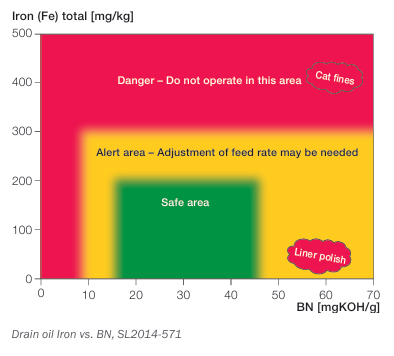
By using a recommended onboard scrape down test kit, the crew can easily monitor the condition of the cylinder units by performing periodic drain oil analysis.
Another key enabler in the change-manage-
ment process, was communication between vessel and superintendent, where exchange of detailed information and clear recommen-dations, resulted in a safe optimization pro-
cedure.
Complementing above work by Evergas, MFT
also provide free of charge lubrication and
engine condition monitoring service to each
vessel, through online data exchange. This
ensure that optimization guidance as per OEM
instruction is provided to the crew and keeping
focus on the importance of lubrication.
From weekly scrape down samples performed
by the crew, data analysis shows an average
iron content (corrosive and magnetic) of 250
ppm prior BOB installation on JS Greensail.
After one month of operation with the BOB
system, the total iron content was below 100
ppm and within OEM guideline for cylinder
lube oil conditions.
Due to the continuous refreshment of system
oil in use, it has been possible to maintain a
good system oil quality onboard. Laboratory
analysis have shown the system oil is nearly
the same as new and fresh system oil with a
viscosity at 11,7-11,8 cSt. The refreshed oil
also shows a cleaner system oil with a visible
cleaner crankcase and oil sump. Clean and
fresh system oil will have positive technical
impact on TBO’s relating to for example FIVA valves, piston cooling, bearings and pre-heater efficiency.
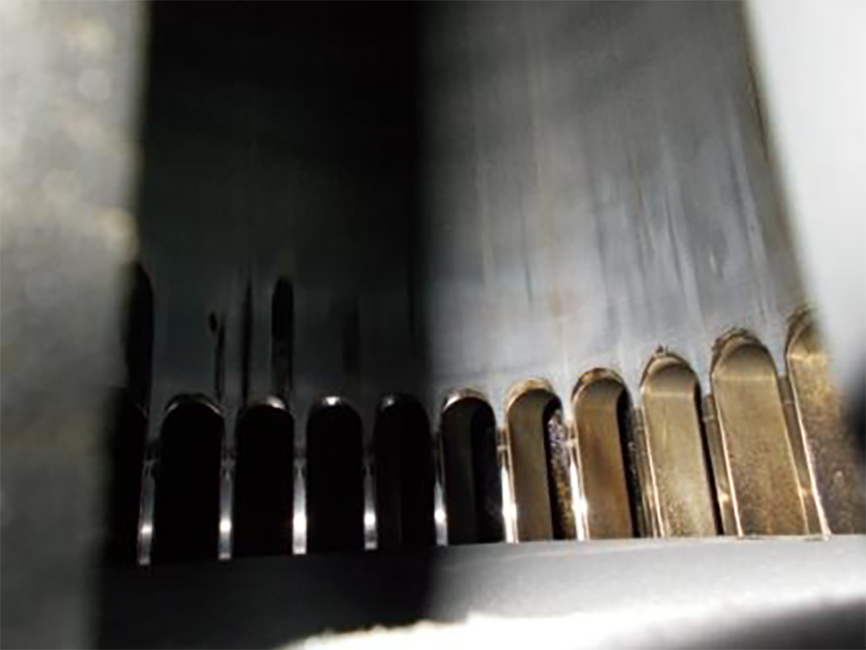
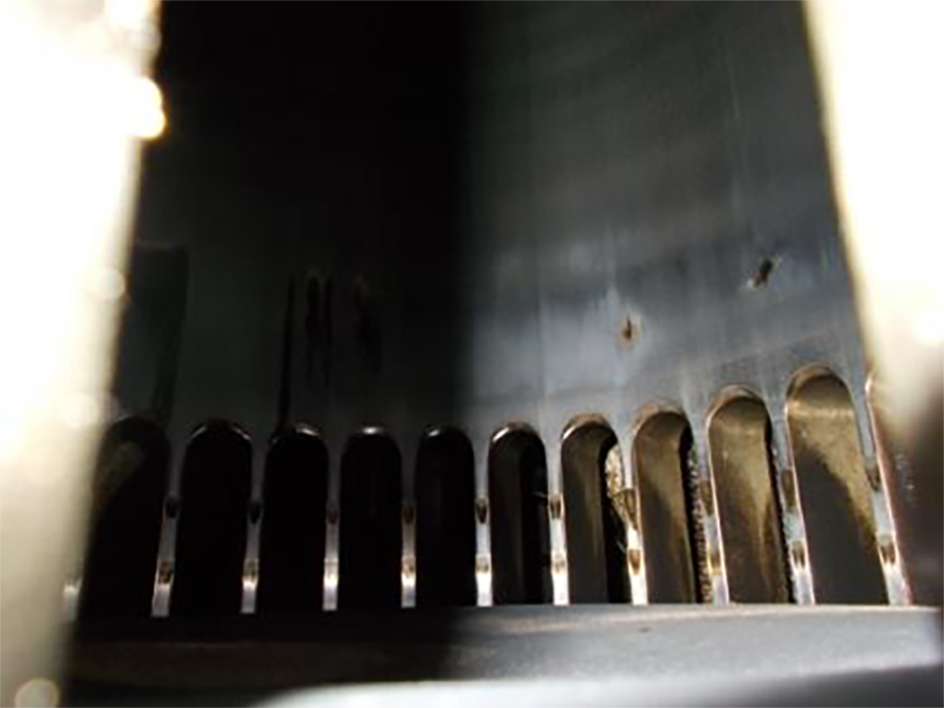
With the reduction of iron in the cylinder oil scrape down analysis, corrosion formations on the liners have
also reduced significantly since the beginning of the BOB implementation. From the latest “Scavenge port
inspection” the liner wear and black spots on the liners have reduced and corrosion is now under control.
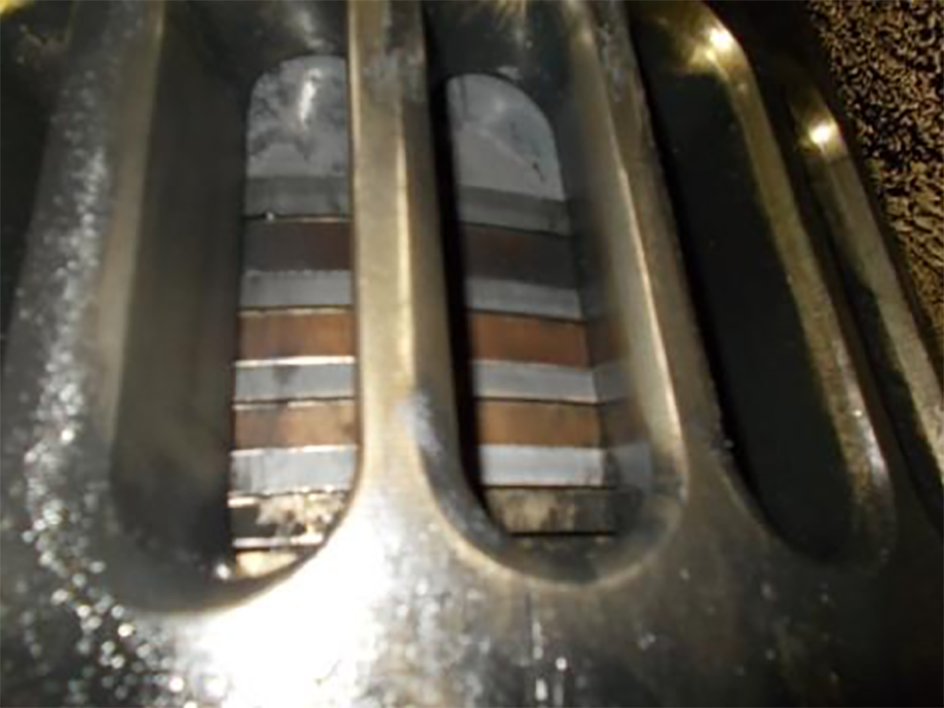
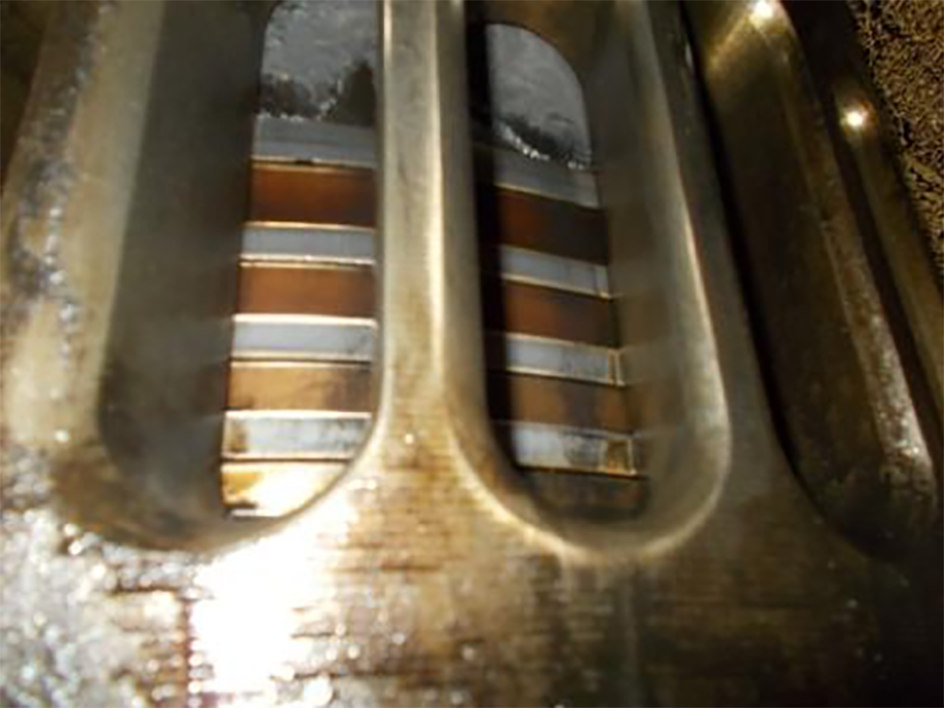
Condition of piston rings with the latest measurements for ring grooves shows no indication of unusual wear
and looks very good. With the low Iron content present in the scrape down samples, it indictaes the wear has
not increased which is usually the fear when the feed rate is reduced.
The refreshed oil also shows a
cleaner system oil with a visible cleaner
crankcase and oil sump.
“The main engine of a vessel should have a flexible lubrication
setup, while at the same time, maintaining a high reliability.
With the Blending-On-Board system we can now bunker one
high BN cylinder oil and and still be capable of running on fuels
demanding BN oils in a range of 40-140BN. This means we
have a solution that addresses our need to adjust the lubrication
oil, according to the always changing conditions.” Says Dinesh
Sharma.
The BOB system does not increase the work load but helps the
crew in the daily routine with the already existing tasks. The
installation of the blender has shown to be a real positive
experience for the vessel JS Greensail. Both crew and engine
have experienced its benefits from the implementation and
overall the BOB system has been very successful.
JS Greensail is not going to install a scrubber but will continue to have the Blending-on-Board system and blend a Fit-for-
Purpose cylinder oil for 2020 compliant fuel operation. With a SEA-Mate Blending-on-Board installed, the vessel eliminated
the worries and timing of change-over plans for the cylinder
oil, as the vessel can begin to blend the existing cylinder oil
to a lower BN when the fuel is changed. Even for 2020
compliant fuels, OEM’s are expecting a continued need for
a variety of different cylinder oil BN’s.
With a BOB installation, the result is a cylinder oil fit for the
specific operating conditions for each vessel and a reduction
of JS Greensail cylinder oil consumption by 26 % on the
current used feed-rate, with potential to reduce by another
10-15%.